




What Even is Indian Design?
Nov 20, 2024
4 min read
What Even Is Indian Design?
Trying to define “design” is already a massive task, but defining Indian design feels almost impossible. The more I linger in this field, the more I realise how layered, fragmented, and deeply cultural this word is in India. It isn’t just a discipline but a lived practice, woven into everyday life in ways we don’t always acknowledge.
In India, the word design is like that cousin who shows up everywhere and has a different personality in every room.
Your mom’s rangoli at the door?
Design.
The insanely intricate border in your nani's sari?
Design.
That one piece of jewellery you bought on a whim and now pretend is “statement”?
Also design.
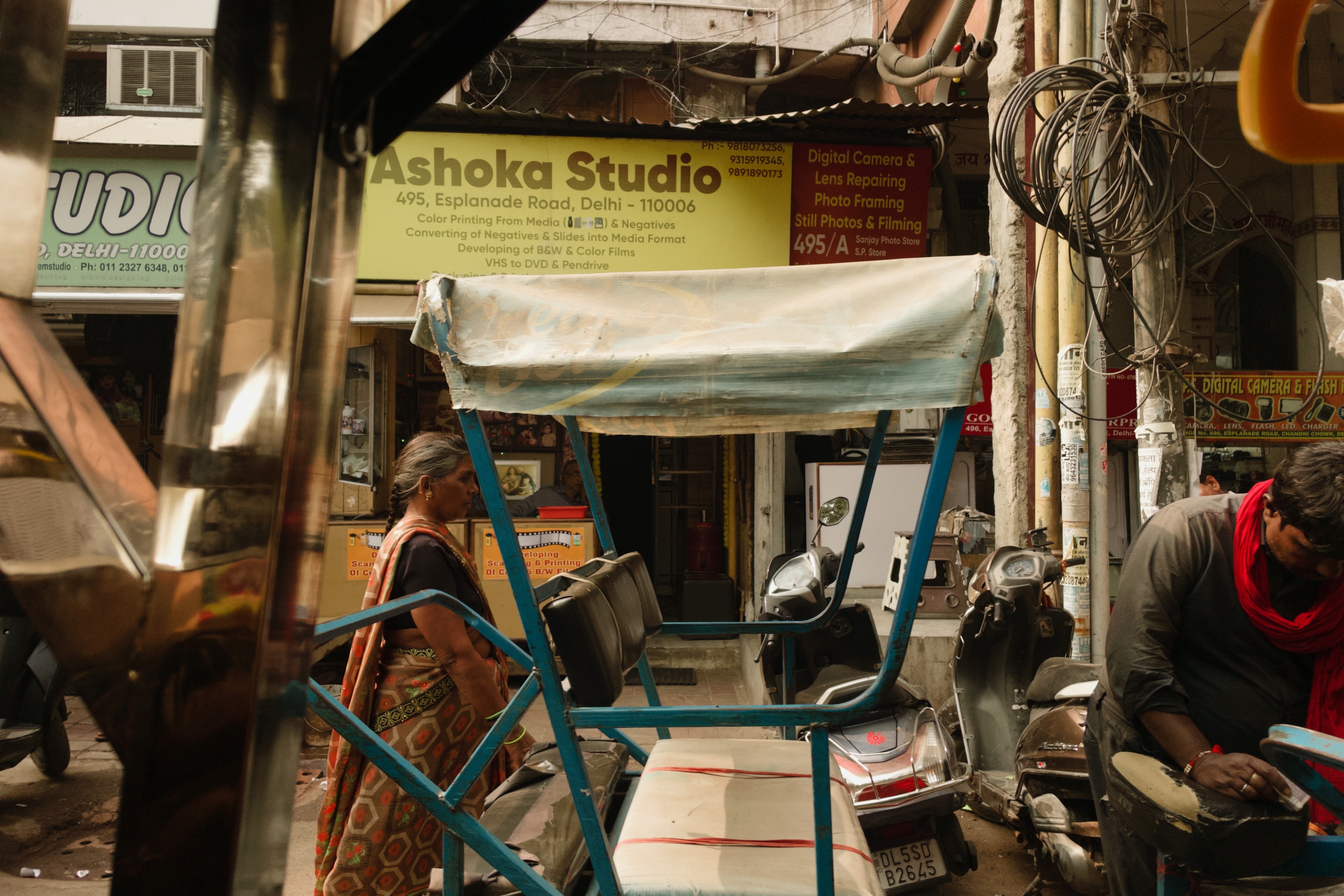
But try showing someone a brilliantly redesigned juicer or a beautifully engineered chair and say, “Look! Design!” and suddenly everyone becomes confused.
Even today, Indian industry is perfectly comfortable with the idea of engineering design, but gets hesitant when it comes to design as a creative practice. A big part of this confusion comes from colonial history; arts and crafts schools marketed “design” through the lens of western aesthetics and utility. So when modern design finally entered India, it had to introduce itself almost from scratch. Even when the first professional body of designers was formed, it was called the Society of Industrial Designers of India (SIDI), emphasizing design’s ties to industrial production. Although they did involve graphic, textile, exhibition, and animation designers, but the legacy of that industrial association still lingers.
A More Grounded Look at the Roots of Indian Design
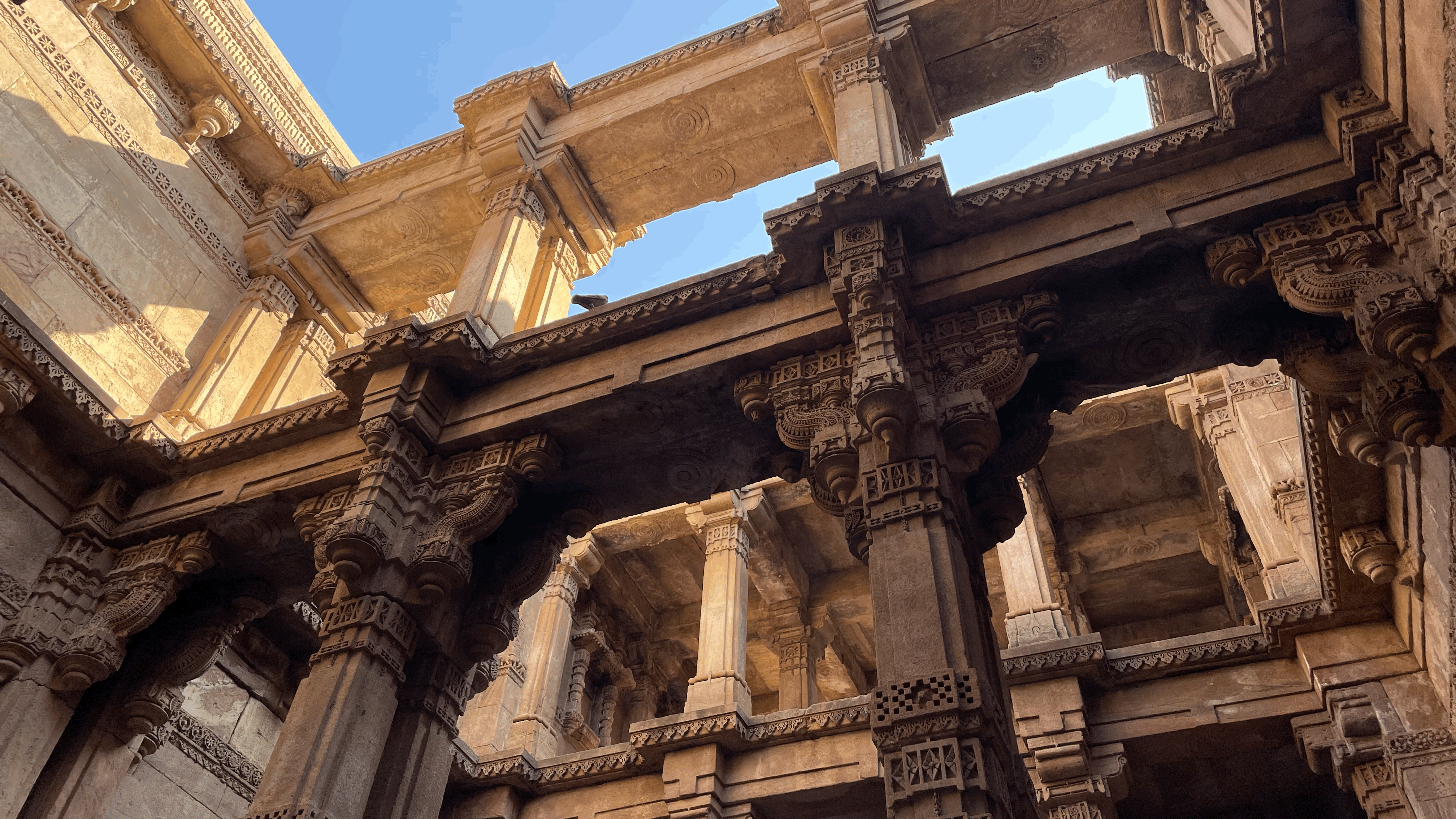
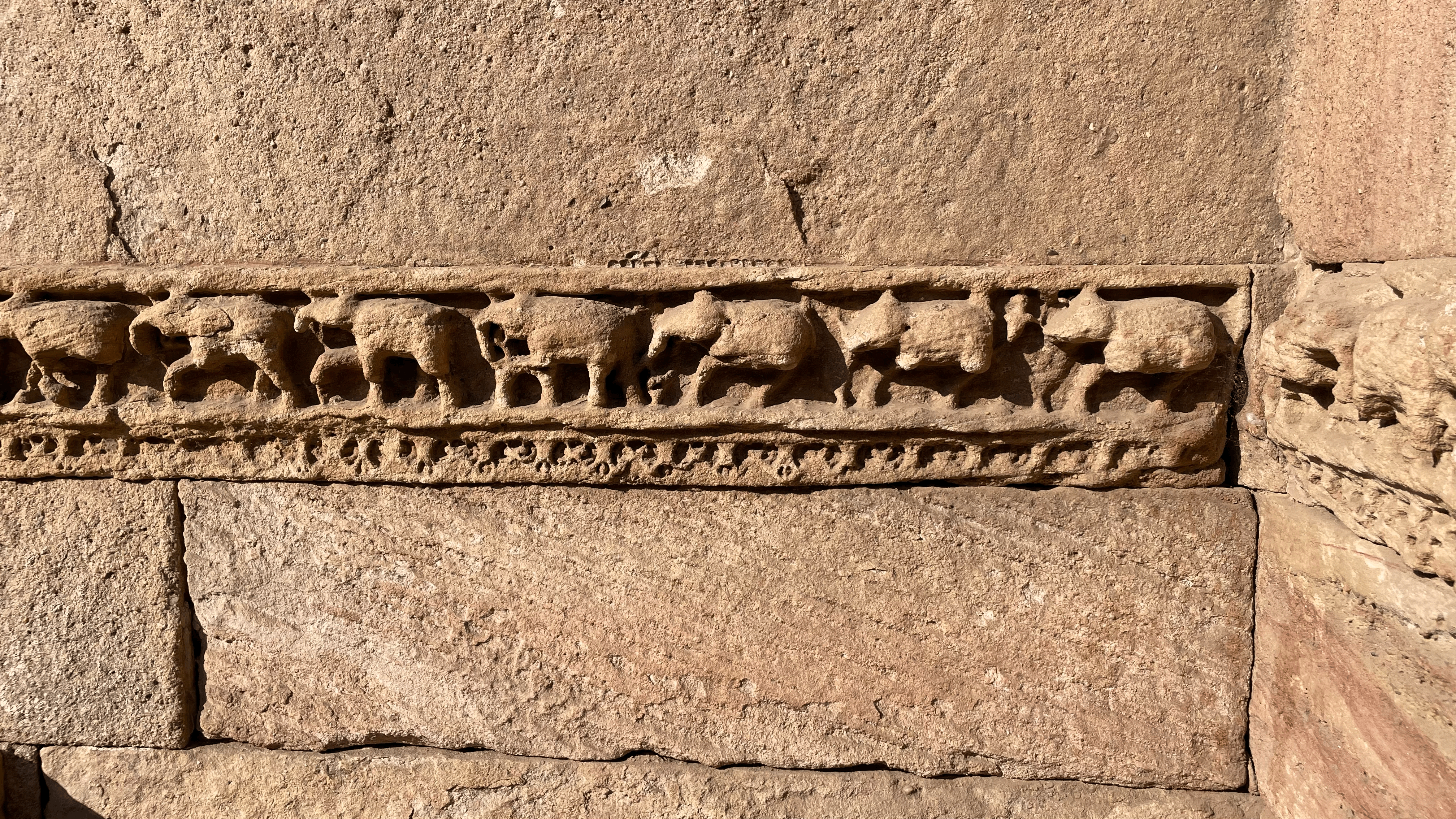
There’s a common assumption that because India has such a strong oral tradition and a deep spiritual culture, we somehow lacked structured thinking or scientific systems. As a design student who has spent some time reading through these scripts, I can confidently say this couldn’t be further from the truth. If anything, history shows that India had highly advanced design intelligence long before “design education” became a phrase we casually throw around. Think about the Indus Valley civilization: Mohenjodaro and Harappa were practicing organised urban planning, water management, and architectural logic as early as 2500 BCE. Meanwhile, many of us are still struggling to organise our Google Drive folders.
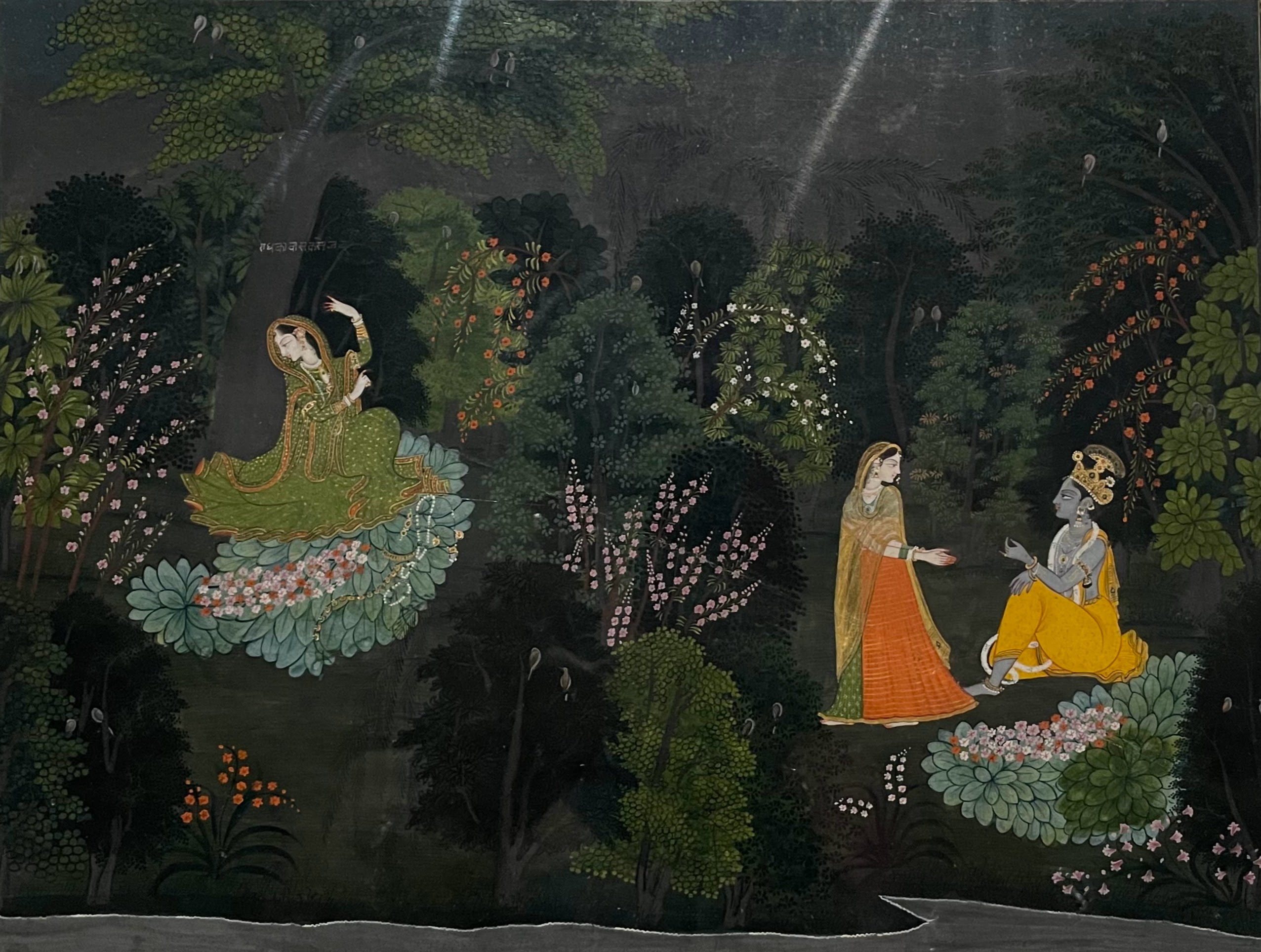
India’s traditional knowledge systems weren’t loose, mystical ideas; they were meticulously articulated frameworks. Even the arts had structured guidelines, coded philosophies, and sophisticated methodologies. The Shastras weren’t only poetic suggestions but, comprehensive design manuals: the Shilpa Shastra for sculpture, the Natya Shastra for dance, Sangeetha Ratnakara for music, Vishnu Dharmottara Puran for art and the Vaastu Shastra for architecture. These texts paid attention to proportion, rhythm, materiality, symbolism; things we now proudly frame as “design principles.”
But what I find most interesting is that Indian culture never drew a harsh line between “applied art” and “fine art.” Creativity was seen as a continuum, not a hierarchy. Which makes the modern attempt to categorise everything from fine art, applied art, commercial art to industrial design, feel almost like an imported habit.
The classical practitioners of these fields still study these treatises deeply. Yet modern design schools haven’t fully figured out how to integrate this knowledge into curriculums in a way that feels natural and not like a rushed elective no one signs up for. We’re still caught between two worlds: the depth of our traditional systems and the frameworks of contemporary global design education. To be continued…